
Journal Lessons
Disagreement builds resilience
On a mission to learn how to argue with love
Lesson 2:
Arguments for the sake of Heaven
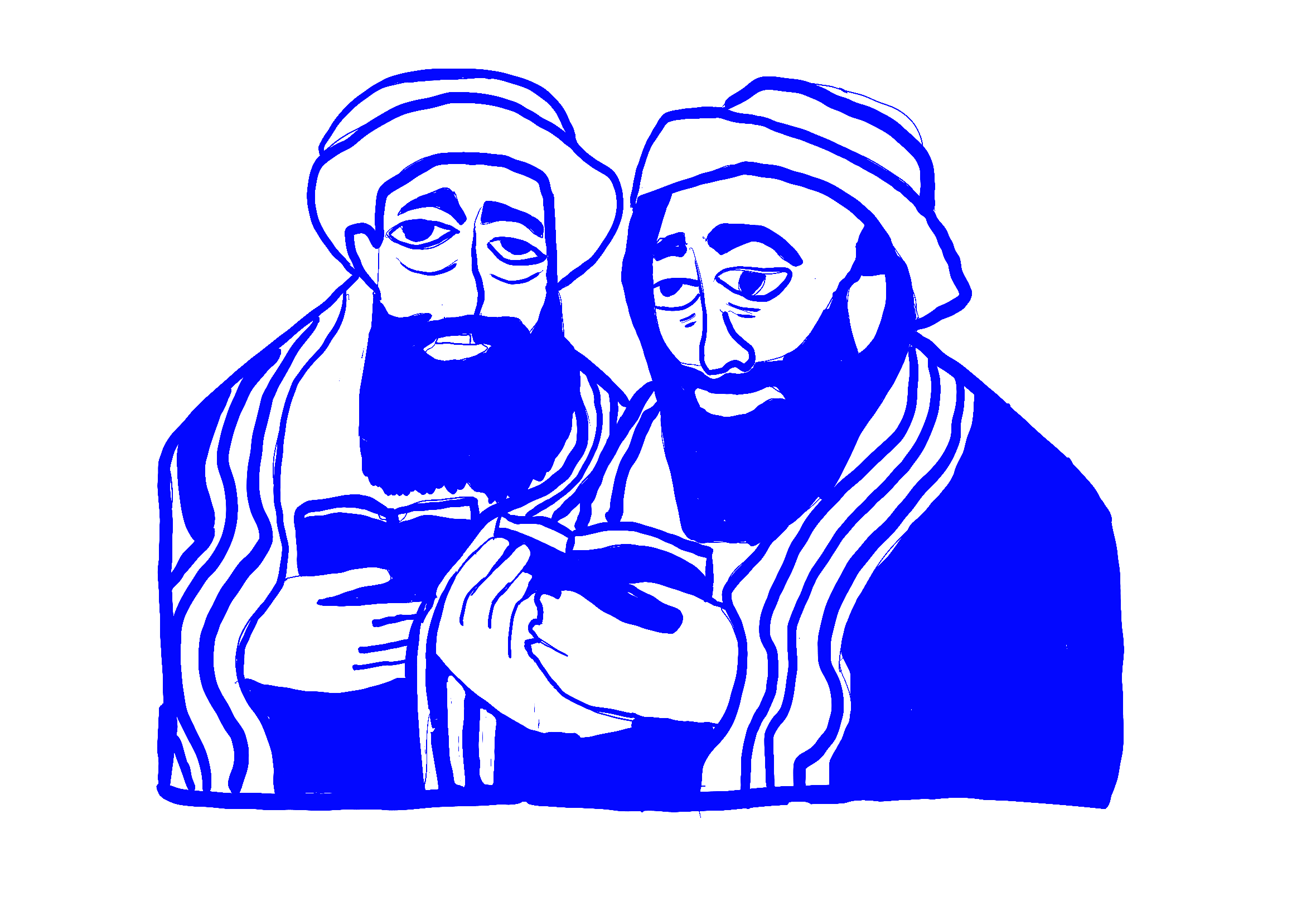
Disagreement and debate are core to the Jewish people's story
If it weren't for our ancestors' ferocious devotion to studying, questioning, debating, and writing down what was first an oral tradition, who knows how much of Judaism would be preserved today?

The Talmud, Judaism's primary source of law, is way more than just a legal code. For centuries, dissenting opinions and disagreements have been meticulously recorded, right alongside the final rulings.
Disagreement is key.
Some keep us together, and some tear us apart.
All arguments that are for the sake of Heaven will endure
כָּל מַחֲלֹקֶת שֶׁהִיא לְשֵׁם שָׁמַיִם, סוֹפָהּ לְהִתְקַיֵּם.
What does it mean, "for the sake of Heaven"?
Pirkei Avot answers:
אֵיזוֹ הִיא מַחֲלֹקֶת שֶׁהִיא לְשֵׁם שָׁמַיִם, זוֹ מַחֲלֹקֶת הִלֵּל וְשַׁמַּאי.
The arguments of Hillel and Shammai.
Hillel and Shammai disagreed frequently when it came to Jewish law. They argued fiercely about countless important cases.
When one dispute between their schools lasted three years, they saw that some arguments had the potential to divide the Jewish community in two. A voice from above ruled that "both... are the words of the living God." (Eruvin 13b)
לֹא נִמְנְעוּ בֵּית שַׁמַּאי מִלִּישָּׂא נָשִׁים מִבֵּית הִלֵּל
Yevamot 14a adds
Even while they disagreed over marriage law itself, the House of Shammai and the House of Hillel continued to marry one another.
They prioritized Jewish peoplehood over their disagreements.
So what is an argument that isn't for the sake of Heaven?
Pirkei Avot answers:
וְשֶׁאֵינָהּ לְשֵׁם שָׁמַיִם, זוֹ מַחֲלֹקֶת קֹרַח וְכָל עֲדָתוֹ.
The arguments of Korach and all his congregation.
Korach, a Levite from Moses' family, led a rebellion with a central argument that sounded sacred:
וַיִּקָּהֲלוּ עַל־מֹשֶׁה וְעַל־אַהֲרֹן וַיֹּאמְרוּ אֲלֵהֶם רַב־לָכֶם כִּי כָל־הָעֵדָה כֻּלָּם קְדֹשִׁים וּבְתוֹכָם ה׳ וּמַדּוּעַ תִּתְנַשְּׂאוּ עַל־קְהַל ה׳׃
"All the community are holy... why then do you raise yourselves above the LORD's congregation?"
Numbers 16:3To the modern reader, Korach's rebellion seems to be against Moses and Aharon's autocratic rule and in favor of democracy. But with a closer look into more of the story, Korach's true intentions become clear.
Korach felt slighted, sought the priesthood for himself, and hoped to topple Moses' God-given rule, a position that Moses did not even want for himself.
This is the distinction between arguments for & against the sake of Heaven
Hillel & Shammai
- Argued to find the truth
- Stayed one family
- Both views recorded and honored
- Still studied, two thousand years later
Korach
- Argued to win power
- Split the people into camps
- Holy words hiding a grudge
- Swallowed by the earth
Healthy disagreement requires both sides to seek a shared outcome.
- Mutual Respect
- Attempt to Build Bridges
- Willingness to Compromise
- Humility and Open-mindedness
- Moral Confidence
- Pursuit of Truth, not Victory
"Do not cut yourself"
Often understood to prohibit cutting of the skin or shaving your face
לֹא תִתְגֹּדְדוּ
Reish Lakish interpreted it as:
The Jewish people must never divide themselves.
(Yevamot 13b)
Adam Kirsch suggests it may have been Hillel and Shammai's willingness to put Jewish unity ahead of their own beliefs that let them argue "for the sake of Heaven." The rabbis of the Talmud were living in the aftermath of the revolt against Rome in 66–70 CE, which ended in the destruction of the Temple and the massacre and exile of hundreds of thousands of Jews. They knew firsthand how disastrous it is when the Jewish people are "cut" into factions.
Adam Kirsch, "Are Zionists and Anti-Zionists Arguing for the Sake of Heaven?"
Love truth and peace
The Talmud says Hillel and Shammai's schools treated each other with affection and friendship, while continuing to disagree, in order "to fulfill what is said: love truth and peace." (Yevamot 14b)
My takeaways:
וְהָאֱמֶת וְהַשָּׁלוֹם אֱהָבוּ׃
- Healthy communities must engage in rigorous debate because that is how deeper truths are revealed.
- Healthy debates must actively be in the pursuit of peace as well as truth.
A modern consideration
Kirsch points out that in disagreements about sacred matters, at a certain point "we are forced to choose which we love more, truth or peace." And for a certain kind of mind, nothing is more thrilling than sacrificing peace for truth and declaring that no compromise is possible.
Adam Kirsch, "Are Zionists and Anti-Zionists Arguing for the Sake of Heaven?"
When either party is willing to sacrifice peace for truth, that is not an argument for the sake of Heaven.
But how can I tell if an argument is not worthy?
Consider the following questions:
The goal is to argue together,
as one people.
So, does disagreement build resilience?
Only the right kind.
Two thousand years later, we still study Hillel and Shammai's arguments, line by line.
Meanwhile, Korach's rebellion was swallowed by the earth.
What happens in our brains when we argue?
When we feel threatened in a disagreement, the primitive brain reacts before the rational brain can.
We tend to lose empathy, assume the worst about the other person's intentions, and convince ourselves we're the victim.


Healthy debates require healthy brains! Learn more about the two 'brains.'